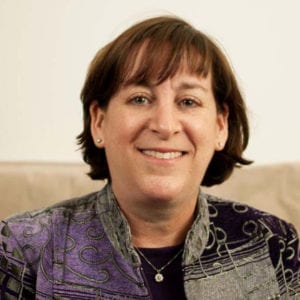


NESCA’s Londonderry, NH location has immediate availability for neuropsychological evaluations. Our NH clinicians specialize in the following evaluations: Neuropsychological; Autism; and Emotional and Psychological, as well as Academic Achievement and Learning Disability Testing. Our NH clinicians also conduct evaluations for students who are at boarding schools, and two of our NH clinicians have PsyPACT authorization, allowing them to conduct evaluations out-of-state.

Visit www.nesca-newton.com/intake for more information or to book an evaluation.

Subscribe to NESCA Notes

Increasing Reading Success: Early Identification of Reading Challenges

By | NESCA Notes 2019


By:  Alissa Talamo, Ph.D.
Pediatric Neuropsychologist

I recently attended the International Dyslexia Association Conference in Atlanta, GA (dyslexiaida.org). Among the conference attendees were researchers, teachers, speech-language pathologists, psychologists, and parents of children with dyslexia. One recurring key point was the importance of early identification of reading difficulties, as early provision of appropriate interventions and services leads to better outcomes.

It is important to remember that unlike seeing, hearing, and eating, reading is not something humans do naturally. Reading must be learned and it is not easy (Maryanne Wolf, Proust and the Squid).

As a parent, your early observations are important as there are many developmental indicators that may signal a risk for reading difficulties such as:

  • Experiencing repeated early ear infections
  • History of speech delay and/or pronunciation problems
  • Slow vocabulary growth, frequent difficulty finding the right word, use of less specific words such as “the thing,” “the stuff,” or “that place.”
  • Your child struggles to recognize words that start with the same sound (e.g., cat and car) or end with the same sound (rhyming).
  • Difficulty learning letter and number symbols when in preschool
  • Family history of reading problems

During first grade, you can watch for these warning signs as you listen to your child read aloud:

  • Does not know the sounds associated with all of the letters
  • Skips words in a sentence and does not stop to self-correct
  • Cannot remember words; sounds out the same word every time it occurs on the page
  • Frequently guesses at unknown words rather than sounding them out
  • If you ask your first grader to read aloud to you and he/she is reluctant and avoidant

Remember: 

Early identification of reading issues is extremely important for outcome. If children who have dyslexia receive effective phonological awareness and phonics training in Kindergarten and 1st grade, they will have significantly fewer problems learning to read at grade level than children who are not identified or helped until 3rd grade.

What should I do if I suspect my child has challenges with reading?
If you suspect your child is struggling to learn to read, have your child receive an independent comprehensive evaluation so that you understand your child’s areas of cognitive and learning strengths and weaknesses. This evaluation should also include specific, tailored recommendations to address your child’s learning difficulties.

To learn more about evaluations and testing services with Dr. Talamo and other clinicians at NESCA, you may find the following links helpful:

What if I am not sure whether my child needs a neuropsychological evaluation?

When determining whether an initial neuropsychological evaluation or updated neuropsychological evaluation is needed, parents often choose to start with a consultation. A neuropsychological consultation begins with a review of the child’s academic records (e.g., report card, progress reports, prior evaluation reports), followed by a parent meeting, during which concerns and questions are discussed about the child’s profile and potential needs. Based on that consultation, the neuropsychologist can offer diagnostic hypotheses and suggestions for next steps, which might include a comprehensive neuropsychological evaluation, work with a transition specialist, or initiation of therapy or tutoring. While a more comprehensive understanding of the child would be gleaned through a full assessment, a consultation is a good place to start when parents need additional help with decision making about first steps.

Sources used for this blog:


About the Author:

With NESCA since its inception in 2007, Dr. Talamo had previously practiced for many years as a child and adolescent clinical psychologist before completing postdoctoral re-training in pediatric neuropsychology at the Children’s Evaluation Center.

After receiving her undergraduate degree from Columbia University, Dr. Talamo earned her doctorate in clinical health psychology from Ferkauf Graduate School of Psychology and the Albert Einstein College of Medicine at Yeshiva University.

She has given a number of presentations, most recently on “How to Recognize a Struggling Reader,” “Supporting Students with Working Memory Limitations,” (with Bonnie Singer, Ph.D., CCC-SLP of Architects for Learning ), and “Executive Function in Elementary and Middle School Students.”

Dr. Talamo specializes in working with children and adolescents with language-based learning disabilities including dyslexia, attentional disorders, and emotional issues. She is also interested in working with highly gifted children.

Her professional memberships include MAGE (Massachusetts Association for Gifted Education), IDA (International Dyslexia Association), MABIDA (the Massachusetts division of IDA) and MNS (the Massachusetts Neuropsychological Society).

She is the mother of one teenage girl.


To book a consultation with Dr. Talamo or one of our many other expert neuropsychologists, complete NESCA’s online intake form.


Neuropsychology & Education Services for Children & Adolescents (NESCA) is a pediatric neuropsychology practice and integrative treatment center with offices in Newton, Massachusetts, Plainville, Massachusetts, and Londonderry, New Hampshire, serving clients from preschool through young adulthood and their families. For more information, please email info@nesca-newton.com or call 617-658-9800.


This blog was originally published in 2017.

Introduction to Acupuncture with Licensed Acupuncturist Meghan Meade

By | NESCA Notes 2019


By: Meghan Meade, L.Ac, MAOM, MS PREP, CYT

Licensed Acupuncturist, NESCA

Acupuncture is one of eight branches of Chinese Medicine that dates back over 3,000 years and involves the insertion of hair-thin needles into the body to provoke a healing response.

The body registers needling as a microinjury to which it responds by summoning the immune, nervous and endocrine systems to increase circulation, produce endorphins and other pain-relieving substances and flips the switch on the stress response.1,2,3 The treatment itself effectively assesses the internal imbalance and sends a signal to the body to address it; for this reason, acupuncture’s effects are often described as regulating – reducing elevations in inflammatory markers, enhancing the production and function of essential neurotransmitters, and so on. 1,2,3

Because acupuncture is so regulating to the body’s internal environment, the effects experienced by the patient can be both targeted and systemic2 – while pain relief could be achieved for a specific injury such as a sprained ankle, a patient might also noticed improved sleep or reduced anxiety, for example.

As a practitioner of Japanese style acupuncture, a style that is particularly reliant on using the body’s feedback to guide treatment decisions (though not to the exclusion of a patient’s verbal feedback about their health concerns and experiences), I incorporate pulse diagnosis and palpation into my overall diagnosis and treatments. Because an individual is considered to be the ever-changing reflection of their environment and experiences – physical, mental and emotional – my treatments for a given patient and a given condition will never look the same; each day the body is slightly different than the day prior, and treatments are designed with this principle in mind.

Another important theme within Chinese Medicine is that of duality; acupuncturists consider mutually opposing and complementary elements, such as heat and cold, internal and external, male and female, and yin and yang to be crucial in both assessment and treatment. Whereas yang represents heat, energy, masculinity, day time and light, yin, by contrast, represents coolness, substance, femininity, night time and darkness. When we are born, we are at our peak state of yang, which progressively gives way to yin throughout the lifetime. Because children are by nature more yang, their energy is ample and at the surface; accordingly, treating children and adolescents with acupuncture requires less stimulation to yield a desired response. Often needling is not involved, and non-insertive tools and techniques are preferred for their gentle, effective and often expedient results. Pediatric treatments may involve the use of magnets placed on acupuncture points, as well as brushing and tapping techniques using stainless steel, copper and/or silver tools. Because acupuncture points exist along 14 channels that run up and down the body, an acupuncturist can effect change both in a given channel/organ system and systemically by stimulating a channel through brushing and tapping techniques. While the above statement is true that inserting needles into the skin triggers an extensive sequence of immune, nervous and endocrine system events, so, too, does the more superficial work that acupuncturists perform for their pediatric patients.

The goal of acupuncture is always to harmonize, reducing what is in excess and restoring what is deficient. On a biomedical level, this typically entails a shift in the autonomic nervous system from a sympathetic dominant state – fight or flight mode – to a parasympathetic state – the calmer and more productive – though elusive – ‘rest and digest’ mode.2,3 Similarly, acupuncture regulates the function of hormones, neurotransmitters and immune mediators to achieve this balance. While many feel a positive response from a single treatment, acupuncture is generally not a ‘one and done’ therapy; instead, the response to acupuncture becomes stronger and more lasting over the course of several treatments, as a cumulative signal is often required for the body to carry out the work of regulating imbalances. Often after an initial series of treatments, a patient can enter a maintenance mode of treatment, spacing treatments out in increasingly longer windows and eventually receiving treatment on a maintenance or as-needed basis.

I hope this introductory conversation provides some insight as to how acupuncture works. I will be back with a follow-up post to shed some light on the effect of acupuncture on specific conditions commonly seen among NESCA’s client base.

  1. Cheng, Kwokming James. “Neurobiological Mechanisms of Acupuncture for Some Common Illnesses: A Clinician’s Perspective.” Journal of Acupuncture and Meridian Studies 7.3 (2014): 105-14. Web.
  2. Carlsson, C. “Acupuncture Mechanisms for Clinically Relevant Long-term Effects – Reconsideration and a Hypothesis.” Acupuncture in Medicine 20.2-3 (2002): 82-99. Web.
  3. Cheng, K. J. “Neuroanatomical Characteristics of Acupuncture Points: Relationship between Their Anatomical Locations and Traditional Clinical Indications.” Acupuncture in Medicine 29.4 (2011): 289-94. Web.


About the Author: 

Meghan Meade is a licensed acupuncturist practicing part-time at NESCA.

Having suffered from anxiety, digestive issues, hormonal imbalances and exercise-induced repetitive stress injuries throughout her adolescence and twenties, Meghan first sought out acupuncture as a last ditch effort to salvage some semblance of health and sanity during a particularly stressful period in her life. It worked. Remarkably well. So palpable was the influence of acupuncture on her well being that she was compelled to leave a career in advertising to study Chinese medicine so that she could help others benefit from its effects.

Meghan earned her masters degree in Acupuncture and Oriental Medicine from the New England School of Acupuncture at Massachusetts College of Pharmacy and Health Sciences (MCPHS) and a masters degree in Pain Research, Education and Policy from Tufts University Medical School. She is licensed by the Massachusetts Board of Medicine and is a Diplomate of Oriental Medicine, certified by the National Certification Commission for Acupuncture and Oriental Medicine (NCCAOM).

In her clinical practice, Meghan integrates both Eastern and Western perspectives to provide treatments unique to each patient’s needs and endeavors to empower patients to move forward on their paths to not just feeling good, but feeling like their true selves. In addition to her work as a licensed acupuncturist and herbalist, Meghan serves as adjunct faculty at MCPHS and is a certified yoga teacher.


To learn even more about Meghan and acupuncture, visit her alternate web site or read her blog: https://meghanmeadeacu.com/Meghan is practicing at NESCA during the following hours. Appointments at NESCA can be booked by reaching out to me directly at meghan@meghanmeadeacu.com.

Monday: 10am – 6pm

Thursday: 9am – 7pm


Neuropsychology & Education Services for Children & Adolescents (NESCA) is a pediatric neuropsychology practice and integrative treatment center with offices in Newton and Plainville, Massachusetts, and Londonderry, New Hampshire, serving clients from preschool through young adulthood and their families. For more information, please email info@nesca-newton.com or call 617-658-9800.

What Does Autism Look Like? Exploring the Differences among Girls and Boys

By | NESCA Notes 2019


By: Erin Gibbons, Ph.D.
Pediatric Neuropsychologist, NESCA

In 2018, the Centers for Disease Control and Prevention (CDC) determined that approximately 1 in 59 children is diagnosed with Autism Spectrum Disorder (ASD). Boys are still four times more likely be diagnosed with ASD; however, research indicates that the diagnosis is often missed in girls, especially those who have average intelligence and “milder” forms of ASD. To understand why ASD is more often missed in girls, let’s explore the differences between boys and girls with ASD. This discussion will focus on children with average to above average intelligence (about 50% of all children diagnosed with ASD).


Boys Girls
Poor impulse control, more acting out Likely to be quiet and withdrawn
Disruptive behaviors in the classroom setting Tend to be reserved and cooperative at school
Frequent repetitive motor behaviors that are directly observable Lower frequency of these motor behaviors
Lack of interest in imaginary play Very much engaged in imaginary play
Restricted interests may seem unusual – e.g., train schedules, maps, windmills Restricted interests may seem “age appropriate” – e.g., horses, unicorns, ballet
Trouble making friends Might have a few friends
Likely to exhibit angry outbursts when frustrated/anxious Likely to engage in self-harm or other behaviors that are not observed by others when frustrated/anxious
Lack of awareness of being different or not fitting in More motivated to fit in and “hide” social difficulties – might try to imitate the behavior of a peer that is perceived as popular


Due to these differences, the diagnosis of ASD is often missed in young girls. Adults might agree that a girl is “odd” or “quirky,” but dismiss these concerns because she has good eye contact, has some friends, and does not engage in hand flapping or other unusual behaviors. Unfortunately, other girls might be misdiagnosed, which could lead to ineffective or inappropriate treatment interventions. Most commonly, they might be misdiagnosed with ADHD or Anxiety Disorder.

In many cases, girls with ASD have increasing difficulties with social interactions as they get older and demands get higher. A young girl with ASD might be able to “get by” in social interactions but by the time she reaches adolescence, she is not able to navigate the intricacies of the social milieu. This can lead to social isolation and high risk of being bullied or rejected by peers.

Unfortunately, a missed diagnosis of ASD for a young girl can have long-reaching ramifications. She might experience depression, anxiety and/or low self-esteem, wondering why she doesn’t “fit in” and “feels different” from other girls. She might start to struggle in school or disconnect from activities that she used to enjoy. Moreover, missing the diagnosis in childhood means that she did not receive services to support her social and peer interaction skills during her formative years.

As always, when parents or other caregivers have concerns about a child’s development, it is important to seek an evaluation from a professional. And if the findings do not feel quite right, parents should never feel uncomfortable about seeking a second opinion.


About the Author: 

Erin Gibbons, Ph.D. is a pediatric neuropsychologist with expertise in neurodevelopmental and neuropsychological assessment of infants,

children, and adolescents presenting with developmental disabilities including autism spectrum disorders, Down syndrome, intellectual disabilities, learning disabilities, and attention deficit disorders. She has a particular interest in assessing students with complex medical histories and/or neurological impairments, including those who are cognitively delayed, nonverbal, or physically disabled. Dr. Gibbons joined NESCA in 2011 after completing a two-year post-doctoral fellowship in the Developmental Medicine Center at Boston Children’s Hospital. She particularly enjoys working with young children, especially those who are transitioning from Early Intervention into preschool. Having been trained in administration of the Autism Diagnostic Observation Schedule (ADOS), Dr. Gibbons has experience diagnosing autism spectrum disorders in children aged 12 months and above.

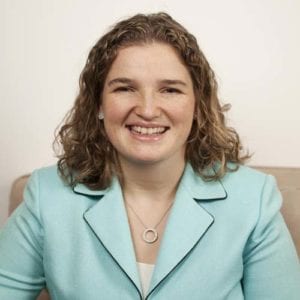
 

If you are interested in booking an evaluation with Dr. Gibbons or another NESCA neuropsychologist, please fill out and submit our online intake form


Neuropsychology & Education Services for Children & Adolescents (NESCA) is a pediatric neuropsychology practice and integrative treatment center with offices in Newton and Plainville, Massachusetts, and Londonderry, New Hampshire, serving clients from preschool through young adulthood and their families. For more information, please email info@nesca-newton.com or call 617-658-9800.

Transition Planning for Adulthood—It Starts at Birth

By | NESCA Notes 2019


By: Kelley Challen, Ed.M., CAS
Director of Transition Services; Transition Specialist

There are many transitions throughout a person’s life, but as a transition specialist working at a pediatric neuropsychology practice, my focus is most often on helping students who have struggled with learning, social and/or emotional difficulties to plan for and successfully navigate the transition from secondary school to whatever comes next in life (e.g., employment, transition program, community college, apprenticeship, etc.). I focus on helping young people envision their future selves and set short- and long-term goals for themselves—putting them into the driver’s seat for their own lives and helping them manage the risks and responsibilities that come with making choices for themselves.

When a family walks into my office for the first time, it is common for one parent or caretaker to worry aloud that they are starting transition planning for their child “too late.” I consistently respond that it is never too late to start planning and to begin transferring responsibility from one generation to the next. But today, I also want to emphasize that “it’s never too early” to start to plan for your child to be a more independent and competent adult—the best transition planning starts at birth.

Some common examples of transitions that start at a very early age that many parents and caregivers can relate to are: a child sleeping through the night for the first time unsupported, holding a cup and drinking without spilling, feeding oneself with a spoon, and/or riding a bicycle. Each of these activities is an example of a child building competence and independence while their parents simultaneously relinquish some amount of control. Often times, mistakes, messes and even pain are a natural part of the process.

From a young age, there are many skills that children can learn that will make a big difference for them later in life. Some examples include:

  • Picking out clothes for the next morning
  • Putting dirty clothes in a hamper
  • Loading the washing machine
  • Putting clean clothes away in drawers
  • Washing hands before eating, after using the bathroom and after playing outside
  • Setting the table (maybe not plates or glasses, but perhaps napkins, forks and spoons)
  • Carrying dishes to the counter and placing them next to the sink after dinner—or even in the dishwasher
  • Putting their own garbage in the trash
  • Collecting small trash bins to dump into a larger bin/bag on trash day
  • Helping to pack their own lunch
  • Helping to prep a meal (e.g., washing veggies, pouring ingredients, etc.)
  • Getting condiments from the refrigerator and putting them away after dinner
  • Getting a snack for self or a sibling from the refrigerator or pantry
  • Wiping down the table after a meal
  • Feeding/providing water for pets
  • Weeding
  • Raking leaves
  • Shoveling snow
  • Helping to get the mail
  • Brainstorming for/making a shopping list
  • Finding assigned items at the grocery store
  • Carrying light grocery bags
  • Helping to pack belongings for a family trip
  • Making gifts/cards for a celebration
  • Budgeting a few dollars to buy inexpensive but thoughtful gifts for family members

Some of these will apply to your child and some of them will not. And some of these may require adding time to your schedule, allowing a child to complete tasks at their own pace, or doing some household reorganization, allowing a child to access items necessary to complete tasks. Finally, a lot of deep breathing and patience—for both you and your child—will be required!

At any point in time, you can identify a task  you regularly do for your child and consider where there are pieces they can do for themselves. If your only role in the task is to prompt your child, consider whether there might be a low-technology tool (post-it, photograph) or high-technology tool (alarm, phone reminder) that could take the place of your prompt. If you are not sure how to make a change, it may be a good time to get help from a teacher, pediatrician, behavioral therapist, special educator, etc.

The important thing is that you are starting to think about where there is a potential for increasing competence, independence, confidence and self-esteem for your child. You are starting to plan for your own obsolescence in your child’s life, or at least in their carrying out every day self-care activities and chores. While that is a scary thing, it is also a beautiful and empowering thing!


If you are interested in working with a transition specialist at NESCA for consultation, planning or evaluation, please complete our online intake form: https://staging.nesca-newton.com/intake-form/.


About the Author:

Kelley Challen, Ed.M., CAS, is NESCA’s Director of Transition Services, overseeing planning, consultation, evaluation, coaching, case management, training and program development services. She is also the Assistant Director of NESCA, working under Dr. Ann Helmus to support day-to-day operations of the practice. Ms. Challen began facilitating programs for children and adolescents with special needs in 2004. After receiving her Master’s Degree and Certificate of Advanced Study in Risk and Prevention Counseling from Harvard Graduate School of Education, Ms. Challen spent several years at the MGH Aspire Program where she founded an array of social, life and career skill development programs for teens and young adults with Asperger’s Syndrome and related profiles. She additionally worked at the Northeast Arc as Program Director for the Spotlight Program, a drama-based social pragmatics program, serving youth with a wide range of diagnoses and collaborating with several school districts to design in-house social skills and transition programs. Ms. Challen is co-author of the chapter “Technologies to Support Interventions for Social- Emotional Intelligence, Self-Awareness, Personality Style, and Self-Regulation” for the book Technology Tools for Students with Autism. She is also a proud mother of two energetic boys, ages six and three. While Ms. Challen has special expertise in supporting students with Autism Spectrum Disorders, she provides support to individuals with a wide range of developmental and learning abilities, including students with complex medical needs.

Neuropsychology & Education Services for Children & Adolescents (NESCA) is a pediatric neuropsychology practice and integrative treatment center with offices in Newton, Massachusetts, Plainville, Massachusetts, and Londonderry, New Hampshire, serving clients from preschool through young adulthood and their families. For more information, please email info@nesca-newton.com or call 617-658-9800.


Identifying and Supporting Twice-exceptional (2e) Children

By | NESCA Notes 2019

By: Alissa Talamo, PhD
Clinical Neuropsychologist, NESCA

  • Rodney gets decent grades and achieves close to or at grade level in all of his district assessments. When concerns about his reading achievement were raised and an evaluation was conducted, it was found that his IQ is well above average, superior in some areas, but his reading decoding scores are below the average range for students his age. He has a combination of some gifted abilities and other areas that require intensive intervention. Rodney is twice-exceptional. (National Education Association, The Twice Exceptional Dilemma).
  •  Because of his behavioral difficulties, James attends a special program within his school for students with emotional and behavioral disorders. His teachers have difficulty seeing him as “gifted” as he is often uncooperative and reluctant to perform academic tasks in class. However, indicators are there. He participates in a weekly community program with students who are not disabled, to design a functioning robot and does so with a tremendous amount of ingenuity. He is also an avid reader outside of school and can offer a very keen oral analysis of the works he has read.  James is twice-exceptional.  (National Education Association, The Twice Exceptional Dilemma).

Twice exceptional—or “2e”—students are those who possess outstanding gifts or talents and are capable of high performance, but who also have a disability that affects some aspect of learning (Brody & Mills, 1997).  The largest group of twice exceptional children are those students who are academically gifted but who also have a disability (e.g., learning, physical, social/emotional or behavioral).

Some common characteristics of gifted students who also have a disability include:

  • Demonstrates a high verbal ability, but displays extreme difficulties in written language (reading, written expression)
  • Has strong observation skills but difficulty with memory skills
  • Shows attention deficit problems, even though they demonstrate special talents that consume their attention
  • Understands concepts at a high level, but struggles with basic skills (e.g., reading decoding, math fact fluency).

As a result, these students are at risk of facing challenges, such as:

  • Asynchronous development (the child is far ahead intellectually, but far behind socially and emotionally)
  • Underperforming academically
  • Frustration
  • Argumentative personality
  • Sensitivity to criticism
  • Poor study habits and organizational skills
  • Difficulty in social situations
  • Because they are clearly bright but performing poorly, they may be perceived as “lazy,” which, in turn, puts them at risk for criticism that can negatively impact self-esteem, which can also put them  at risk for depression.

Unfortunately, in the states of Massachusetts and New Hampshire, there is currently no gifted education legislation. As a result, schools are not required to identify gifted students.  Even if a specific school system does choose to identify these students, there is no mandate to create a program for those identified, and there is no gifted funding.  Massachusetts and New Hampshire are two of only eight U.S. states that do not have a gifted and talented mandate. And while Rhode Island has mandated identification of gifted students and requires programs to serve those students, it does not provide the schools with any government funding.

Since Massachusetts and New Hampshire are not yet mandating screenings for giftedness, nor mandating programs for these students (although some schools do so independent of the lack of mandate), it is important for parents to be informed of their child’s learning profile to advocate for needed services as well as to encourage their child’s areas of strengths and interests. The best way to determine if a child meets criteria for twice exceptionality is through a neuropsychological evaluation. A thorough neuropsychological evaluation will help a parent and school understand a child’s cognitive, academic and social/emotional strengths and weaknesses, helping to identify what supports or programming that specific child truly needs.

In addition, there are supports out there, as many giftedness programs and extra-curricular opportunities exist. Some helpful websites include:

  • davidsongifted.org – along with a strong (and easily searchable) database, the Davidson Institute and Davidson Academy are dedicated to supporting profoundly gifted students in the United States, including summer programs, scholarships and an accredited online school.
  • massgifted.org – The Massachusetts Association for Gifted Education’s (MAGE) mission is to support and advance the understanding of high potential/gifted children and their special needs, to promote the establishment of programs, services and opportunities for high ability/gifted students, and to encourage the exchange of information pertaining to gifted individuals among educators, parents, policy-makers and students on the national, state and local levels.

Additional sources used for this article:

childmind.org/article/twice-exceptional kids both gifted and challenged

www.nea.org/assets/docs/twiceexceptional.pdf

www.understood.org/myths about twice exceptional 2e students

https://www.givingcompass.org/article/schools-struggle-to-serve-gifted-students-with-disabilities


About the Author:
Talamo

With NESCA since its inception in 2007,  Dr. Talamo had previously practiced for many years as a child and adolescent clinical psychologist before completing postdoctoral re-training in pediatric neuropsychology at the Children’s Evaluation Center. After receiving her undergraduate degree from Columbia University, Dr. Talamo earned her doctorate in clinical health psychology from Ferkauf Graduate School of Psychology and the Albert Einstein College of Medicine at Yeshiva University. She has given a number of presentations, most recently on “How to Recognize a Struggling Reader,” “Supporting Students with Working Memory Limitations,” (with Bonnie Singer, Ph.D., CCC-SLP of Architects for Learning ), and “Executive Function in Elementary and Middle School StudentsDr. Talamo specializes in working with children and adolescents with language-based learning disabilities including dyslexia, attentional disorders and emotional issues. She is also interested in working with highly gifted children.


To book a neuropsychological evaluation or consultation  with Dr. Talamo or one of our many other expert neuropsychologists, complete NESCA’s online intake form. Indicate that you would like to see “Dr. Talamo” in the referral line.


Neuropsychology & Education Services for Children & Adolescents (NESCA) is a pediatric neuropsychology practice and integrative treatment center with offices in Newton and Plainville, Massachusetts, and Londonderry, New Hampshire, serving clients from preschool through young adulthood and their families. For more information, please email info@nesca-newton.com or call 617-658-9800.

Why are they called “Soft” Skills?

By | NESCA Notes 2019

By Kathleen Pignone, M.Ed., CRC
Transition Specialist

If they are soft, why are they so crucial in this hard, cruel world? As a transition specialist, I meet with young adults and their parents on a daily basis. All parents want to know what is that missing piece for child to really succeed after high school? What should my priorities be? Is the right college more important than the right internship or vise versa? I often hear the saying, “I remember in my day, you just dusted yourself off and kept going. Why is this new generation struggling?”

While I don’t have an answer to those profound questions, I can offer some go-to skills that will support our young adults as they transition from high school to college, the world of work and the great beyond…soft skills—those intangible, hard-to-pin-down skills that we all know we need to succeed, but are so hard to teach. As a wise practitioner once told me, “Just because it is simple, it doesn’t make it easy.” While it’s critical to teach, prepare and equip our students with the necessary skills for academic success, soft skills can be just as important in many instances. Young adults need a balance of academic, executive functioning, communication and soft skills to set themselves up for success in their multi-faceted life after high school. These soft skills can make the difference between candidates competing for college acceptance and job opportunities.

I also like to refer to these skills as the job keeping and high achieving skills. Strong foundational academic, planning and team-building skills are necessary for success, but these soft skills are the subtle differences observed in the student chosen for that internship by the professor and recognized in the entry-level employee who quickly advances to the mentor employee.

In my practice, I am witness to amazing, capable, energizing and unique young adults, who are unaware of the many talents and strengths they already possess. I work to coach, teach and persuade them that these soft skills are in there, but are struggling to make an appearance. The key is identifying them and knowing when to call on them in stressful times. As a transition specialist, I offer the young people I meet with the opportunities to name and own these skills within themselves. For example, when a teenager is struggling with school, but shows up every day, I introduce them to their “grit,” their get-up- and-go and “try again” skill.  By identifying skills that may just be lying dormant or unrecognized, I offer them a chance to see that they have an innate strength that has both a name and a purpose. These skills are not only necessary, but are transferable to all aspects of their future lives. Their internal grit pushes them to go to class when their roommate is sleeping in and go to work even though they have a cold and could call out sick.

By definition, students ready to transition from high school are at an age and stage of curiosity, exploration, hope and optimism. But they may easily miss out on identifying these characteristics as strengths and skills, if we do not point it out and celebrate it with them. When they are resisting rules and boundaries, they are employing their skills of curiosity and exploration. When they want to protest against inequity in this unfair world and are perceived as naive and inexperienced, I praise their hope and optimism. We talk about how these soft skills are integral to their success as an adult and will serve them as they continue to grow and learn.

Young adults in our current society have no other option than to be flexible and adaptable. Technology is constantly updating and changing, forcing them to move forward or be left behind. Their resilience in handling all that social media exposes them to on a daily basis is admirable. I wouldn’t have stood as tall and strong as they do with such public scrutiny.

As we prepare our young adults for life after high school, let us always take the time to see, name and recognize the strengths and soft skills they show us. We have the opportunity to observe and learn from them and value these skills so that they may offer themselves as resources to their community. The balance necessary to teach young people how to manage an interdependent world as an adult is complicated. It is exciting and energizing to witness young people find these strengths within themselves, helping them to conquer that great big world.


About the Author:

Kathleen Pignone, M.Ed. CRC is a deeply knowledgeable and experienced transition specialist. Prior to her tenure at NESCA, Ms. Pignone was the Career Development Director at Bay Cove Academy for 15 years, providing students with classroom and real-world employment skills training, community job placement and on the job employment-training. She has also worked at Massachusetts Department of Secondary and Elementary Education and privately as a vocational rehabilitation consultant. As a certified rehabilitation counselor, Ms. Pignone brings unique expertise carrying out vocational assessment and employment planning for adolescents and young adults as well as supporting local school programs. In addition to fortifying NESCA’s premier transition assessment services, Ms. Pignone engages in person-centered planning with teens and young adults, consultation and training for parents, providers and schools, and community-based coaching services.

Neuropsychology & Education Services for Children & Adolescents (NESCA) is a pediatric neuropsychology practice and integrative treatment center with offices in Newton, Massachusetts, Plainville, Massachusetts, and Londonderry, New Hampshire, serving clients from preschool through young adulthood and their families. For more information, please email info@nesca-newton.com or call 617-658-9800.

To book a transition assessment or consultation with Kathleen, please complete NESCA’s online intake form


Visual Skill and Academic Success – Looking Past 20/20 Vision

By | NESCA Notes 2019

By: Sophie Bellenis, OTD, OTR/L
Occupational Therapist; Community-Based Skills Coach

When a school nurse pulls a child into his or her office to complete a basic eye screening, he or she may write, “20/20 vision in both eyes. No visual concerns.” This child has successfully looked at an eye chart and read the letters; demonstrated the ability to look straight ahead, from an appropriate distance without things becoming blurry or illegible; and demonstrated visual acuity, or the ability to see with acceptable clarity.

But does this necessarily mean there are no concerns?

Visual acuity measures whether a stimulus is being seen – not necessarily if the information is truly being understood. The visual system is a complex part of the central nervous systems that incorporates the eyes, ocular pathways and brain to produce and interpret sight. It requires consistent communication between all of these individual anatomical pieces, the vestibular system and the skeletomuscular system. Essentially, vision is complicated and messy and requires many many different skills.

Breaking It Down

In terms of visual skills needed for academic success, we often break things down into three main areas: ocular motor control, visual perception and visual motor integration.

  • Ocular motor control describes the ability to physically move the eyes using the 9 ocular muscles. It encompasses the ability to track an object across a screen or a line of text across a book, or the ability to look up at the board and then quickly refocus on a sheet on paper on the desk. Imagine trying to watch a basketball game without the ability to track the ball across the screen smoothly. It quickly becomes tiring and frustrating. Occupational therapists often refer to these specific eye movements with technical terms, such as visual saccades, pursuits, convergence/divergence and accommodation. But in essence they describe eye movement.
  • Visual perception or visual processing is in many ways more nuanced. It focuses on the brain’s ability to organize, interpret and fully understand the information it receives from the eyes. Two main skills needed at school are visual figure ground and visual closure.
    • Visual figure ground is the ability to discern relevant information from a busy or cluttered background. A student with visual figure ground difficulty may not be able to search a busy white board and find a homework assignment. These students may also be visually overwhelmed by a worksheet with 20 math problems, but successful with the same problems presented individually.
    • Visual closure is a skill that specifically helps with reading efficiency and fluency. It is the ability to identify or visualize a complete form or picture when given incomplete visual information or when only a small piece of the image is shown. Visual closure allows us to read a sentence quickly without stopping to decode each individual letter. It is aslo oen raeosn taht mnay pelope can raed setneces wtih julmbled up ltetres. We recognize the form, not simply the sequential letters.  :  )
    • Visual closure plays a role in sight words and reading partially-covered papers or street signs in the community. While there are many more important visual perception skills, these two examples have functional, measurable effects in the classroom setting and are commonly identified through occupational therapy testing.
  • Visual motor integration (VMI) describes the ability to use all of these foundational visual skills in conjunction with foundational motor skills. It is the ability to interpret visual information and produce a precise motor response. In the classroom, this affects a student’s ability to copy shapes, produce legible handwriting and use scissors to cut along a line. Not only can these things be difficult, they can be exhausting as a child tries to use all of these skills at once.

While all of these visual components have multiple layers and intricacies, it is important to simply acknowledge that there’s more than the eye can see when it comes to vision. A child who “can’t see the board,” but has 20/20 vision, may just be visually overwhelmed. A child who looks at a page full of small block text and immediately gives up may not have the visual skill to read across a line. And a child who is learning to read beautifully, but still has difficult forming the letters in his name may have poor visual motor integration. Fortunately, there are many interventions and accommodations that can help build on and develop these skills further to foster confidence and success in the class and community.

About the Author:

Dr. Sophie Bellenis is a Licensed Occupational Therapist in Massachusetts, specializing in pediatrics and occupational therapy in the developing world. Dr. Bellenis joined NESCA in the fall of 2017 to offer community-based skills coaching services as well as social skills coaching as part of NESCA’s transition team. Dr. Bellenis graduated from the MGH Institute of Health Professions with a Doctorate in Occupational Therapy, with a focus on pediatrics and international program evaluation. She is a member of the American Occupational Therapy Association, as well as the World Federation of Occupational Therapists. In addition to her work at NESCA, Dr. Bellenis works as a school-based occupational therapist for the city of Salem Public Schools and believes that individual sensory needs, and visual skills must be taken into account to create comprehensive educational programming.


Neuropsychology & Education Services for Children & Adolescents (NESCA) is a pediatric neuropsychology practice and integrative treatment center with offices in Newton, Massachusetts, Plainville, Massachusetts, and Londonderry, New Hampshire, serving clients from preschool through young adulthood and their families. For more information, please email info@nesca-newton.com or call 617-658-9800.


The Use of Adaptive Behavior Rating Scales in Neuropsychological Assessment

By | NESCA Notes 2019

By Jason McCormick, Psy.D.
Pediatric Neuropsychologist

In my work as a neuropsychologist, much of my practice involves assessment geared toward transition planning – the move from high school to college or from high school to the working world. For these cases, I find the use of measures of adaptive behavior skills – day-to-day skills associated with self-care, communication, community navigation, home living, socialization, use of leisure time, and functional academics – to be a critical part of the neuropsychological testing battery.

Historically, adaptive behavior rating scales were developed and primarily used for assessment of intellectual disability. While adaptive behavior has taken rightful prominence in the assessment and diagnosis of intellectual disability – overtaking the importance of intelligence testing – the use of adaptive rating measures also proves quite important to help with transition planning for individuals with a wide range of psychiatric and neurodevelopmental presentations, including those with exceptionally strong cognitive skills.

These measures (e.g., Adaptive Behavior Assessment System – Third Edition; Vineland Adaptive Behavior Scales – Third Edition), which take the form of parent/caregiver or teacher questionnaires/structured interviews, yield detailed information about an adolescent’s readiness for their upcoming transition out of their family’s home. Particularly for bright adolescents with strong academic skills who might, say, present with attention and executive function challenges but have largely been successful in school, an assessment of adaptive behavior skills is often overlooked. However, over the course of my career, I have heard multiple stories of students who have seemed “college-ready” in the traditional sense of the word (i.e., strong academic and cognitive skills) but have suffered “failure to launch” experiences, as they had not learned to take their prescribed medications consistently, never learned to self-regulate their sleep schedule, or were well behind in their capacity to strike a balance between work and leisure activities.

Although the scores obtained on these measures can be a helpful guide, I find that a closer look at the specific components that may point to a need for additional skill development can help generate a sort of “to-do” list for transition planning work. Thus, while at times simply confirming an adolescent’s suspected transition readiness, the administration of an adaptive measure often proves to be a valuable tool to help determine what skill areas need to be targeted prior to the transition and/or supported during the transition.


About the Author:

McCormick

Dr. Jason McCormick is a senior clinician at NESCA, sees children, adolescents and young adults with a variety of presenting issues, including Attention Deficit Hyperactivity Disorder (AD/HD), dyslexia and non-verbal learning disability. He has expertise in Asperger’s Disorder and has volunteered at the Asperger’s Association of New England (AANE). Dr. McCormick mainly sees individuals ranging from age 10 through the college years, and he has a particular interest in the often difficult transition between high school and college. As part of his work with older students, Dr. McCormick is very familiar with the documentation requirements of standardized testing boards. He also holds an advisory and consultative role with a prestigious local university, assisting in the provision of appropriate academic accommodations to their students with learning disabilities and other issues complicating their education.

To book a consultation with Dr. McCormick or one of our many other expert neuropsychologists, complete NESCA’s online intake form.


Neuropsychology & Education Services for Children & Adolescents (NESCA) is a pediatric neuropsychology practice and integrative treatment center with offices in Newton, Massachusetts, Plainville, Massachusetts, and Londonderry, New Hampshire, serving clients from preschool through young adulthood and their families. For more information, please email info@nesca-newton.com or call 617-658-9800.


State Dyslexia Laws – What do they aim to do and how can we aid their success?

By | NESCA Notes 2019


By: Angela Currie, Ph.D.
Pediatric Neuropsychologist, NESCA
Director of Training and New Hampshire Operations

While in 2013 there were only 22 states that had laws regarding dyslexia, as of March 2018, 42 states have dyslexia-specific laws, and as discussed in the article Dyslexia Laws in the USA: A 2018 Update by Martha Youman and Nancy Mather, 33 legislative bills related to dyslexia were introduced between January and March 2018 alone. These dyslexia laws address such things as dyslexia awareness, teacher training, early screening of risk factors, interventions and accommodations, and rights of individuals with dyslexia. In addition to identifying the need to address these matters, at least 10 states have developed dyslexia handbooks, and New Hampshire (where I practice as an evaluator and consultant) has developed a dyslexia resource guide. With Governor Charlie Baker’s signing of S2607 on October 19, 2018, Massachusetts now joins the list of states with dyslexia training, screening, and intervention mandates.

To see such progress in the identification and intervention of dyslexia is exciting for everyone who is connected to this community. As a pediatric neuropsychologist, I have worked with individuals with dyslexia and related disorders for many years, and in 2017 I had the pleasure of being one of the many professionals involved in the development of the NH dyslexia resource guide. Since that time, it has been encouraging to see a number of school districts embrace training opportunities and develop early screening efforts. While that is so, across the nation several states still do not have dyslexia-specific laws, and most states that do have them continue to experience uncertainty about how to implement said laws. Based on my personal experience and observations, there appear to be some basic steps or efforts that may improve the effectiveness of these efforts:

  • Use the term “Dyslexia.” Historically, the term “dyslexia” has been rejected or discouraged by most schools, instead preferring to label the associated learning profile as a Specific Learning Disability in reading; however, dyslexia specialists and advocates have long argued that this latter term is problematic because it fails to acknowledge the neurobiology of dyslexia and it does not inform interventions, accommodations, and related services with the level of specificity that is dictated by the defined diagnosed label. To address this concern, in 2015 the U.S. Department of Education issued a formal letter clarifying that “there is nothing in the IDEA or [the] implementing regulations that would prohibit IEP Teams from referencing or using dyslexia, dyscalculia, or dysgraphia in a child’s IEP.” Until schools are willing to routinely use the term “dyslexia,” the potential success of dyslexia laws is significantly challenged.
  • Educate families about universal screening and differentiated instruction. The screening and intervention requirements outlined in most dyslexia laws fall within the purview of general education, aiming to identify children with risk factors for learning disabilities and support their needs through multi-tiered systems of support, such as Response to Intervention (RTI). As such, there are not as many defined requirements regarding progress monitoring and reporting, or the coordination of the child’s “team” (i.e. parents, teachers, and other pertinent school personnel), as there would be within special education procedures. Families need to be educated about these universal screening procedures and methods of differentiating instruction within the general education curriculum so that they can understand their child’s challenges and monitor progress in a more informed manner.
  • Coordinate general education and special education screening and evaluation procedures. While the screening and intervention procedures discussed in dyslexia laws are generally within general education, a child should be referred for special education consideration if he or she is not making progress with the increased levels of RTI support. To optimize the utility and impact of the early screenings and to ease the referral process, the criterion that is measured within the general education setting should map onto the criterion for special education eligibility as much as possible; however, should a child require referral for special education consideration, it will also be critical to conduct a comprehensive evaluation of why the child is not progressing, allowing for more individualized and appropriate interventions.
  • Ensure the dissemination of dyslexia handbooks or resource guides. While the dyslexia community is enthused by state dyslexia laws, many teachers and school personnel are not aware of these mandates or the associated resources. These resources are a treasure trove of information about how to delivery differentiated instruction and integrate instructional methods and accommodations that are likely to be helpful for all students.
  • Continue raising awareness. Parents, teachers, and school personnel should all be educated about learning profiles, early warning signs, screening procedures, and interventions. School districts should take advantage of the resources provided by their state, which often includes the availability of a state-appointed reading specialist who can provide training or aid the dissemination of information or development of screening and intervention procedures.

There has been great progress in the recognition, identification, and remediation of dyslexia within American schools; however, this work is only just beginning. At the core of this issue is the need to recognize dyslexia as a defined, neurologically-based learning disability that can be identified at an early age and can be effectively remediated through targeted, evidence-based interventions.

Through our evaluations with students in New Hampshire and Massachusetts, clinicians at NESCA aim to identify and define learning profiles such as these and provide recommendations for targeted instruction as well as systemic support and training. Please visit our website at www.nesca-newton.com for more information.


About the Author:

Dr. Angela Currie is a pediatric neuropsychologist at NESCA. She conducts neuropsychological and psychological evaluations out of our Londonderry, NH office. She specializes in the evaluation of anxious children and teens, working to tease apart the various factors lending to their stress, such as underlying learning, attentional, or emotional challenges. She particularly enjoys working with the seemingly “unmotivated” child, as well as children who have “flown under the radar” for years due to their desire to succeed.


To book an evaluation with Dr. Currie or one of our many other expert neuropsychologists, complete NESCA’s online intake form. Indicate whether you are seeking an “evaluation” or “consultation” and your preferred clinician in the referral line.


Neuropsychology & Education Services for Children & Adolescents (NESCA) is a pediatric neuropsychology practice and integrative treatment center with offices in Londonderry, NH, Plainville, MA, and Newton, MA serving clients from preschool through young adulthood and their families. For more information, please email info@nesca-newton.com or call (603) 818-8526.

What is executive functioning? – Part 2 – How can adolescents develop these important skills?

By | NESCA Notes 2019

By: Alissa Talamo, PhD
Clinical Neuropsychologist, NESCA

Cody is a 17-year-old young man participating in 11th grade. He is a talented runner with a good sense of humor and he has achieved mostly Bs in his college preparatory and advanced college preparatory high school classes. However, Cody’s mother describes him as the kind of kid whose “head would fall off if it was not attached.” Cody has an English tutor who has helped him to organize his thoughts and writing throughout high school. He seems to run out of time with everything—homework, tests, showers, video games—unless his parents and teachers provide him with several reminders. He also has trouble starting and finishing tasks, even things that are important to him. For example, he wanted to apply for a job at Market Basket. His mother has emailed him the online application link three times, but he still had not completed it after two months. Cody wants to go to college and is hoping to be recruited by a men’s cross country team. So, his parents took him to see a neuropsychologist to see if he could qualify for extra time on the SAT. They had heard the term executive functioning and knew that this was an area where Cody struggled, but they did not realize how significant his challenges were until the neuropsychologist shared his test results. Cody and his parents were grateful to have a better understanding of Cody’s learning strengths and challenges and also to learn that executive functioning skills can be remediated throughout the lifespan.

What is executive functioning?

Part 1 of this blog defined executive functioning as the “conductor” of all cognitive skills and identified three main components:

  • Working memory (the ability to hold and manipulate information in your mind),
  • Inhibitory control (inhibiting impulsivity, to pause and think before reacting),
  • Cognitive flexibility (the ability to adjust to changing demands).

Part 2 of this blog post highlights activities suggested to enhance the development of executive functioning and self-regulation skills during adolescence (taken from developingchild.harvard.edu booklet titled “Enhancing and Practicing Executive Function Skills with Children from Infancy to Adolescence.”). The full guide is available for download and describes many additional activities and games that provide ways for adults to support various aspects of executive functioning and self-regulation in adolescents (Center on the Developing Child at Harvard University, 2014). While neuropsychological evaluation can be extremely important for understanding an adolescent’s executive functioning profile and planning for postsecondary education, there are a number of activities that young people can work on at home in order to build their executive functioning skills.

Here are some examples of activities suggested for adolescents:

  • Goal setting, planning and monitoring
    • Help the adolescent identify short and long-term goals and think about what has to be done to achieve them.
    • Help adolescents be mindful of interruptions (particularly from electronic communication such as email and cell phones).
  • Activities
    • Sports — The focused attention and skill development inherent in competitive sports improve the ability to monitor one’s own and others’ actions, make quick decisions, and respond flexibly.
    • Yoga and meditation — Activities that support a state of mindfulness may help teens develop sustained attention, reduce stress, and promote less reactive, more reflective decision-making and behavior.
    • Strategy games and logic puzzles — Classic games like chess exercise aspects of working memory, planning, and attention.
  • Study skills
    • Break a project down into manageable pieces.
    • Identify reasonable plans (with timelines) for completing each piece.
    • Self-monitor while working
    • When you don’t understand, what might be the problem? Do you know what the directions are? Is there someone you can ask for help?
    • Think about what was learned from an assignment that was not completed well. Was this due to a lack of information, a need to improve certain skills, bad time management, etc.?
    • Keep a calendar of project deadlines and steps needed to complete along the way
    • Identify ways to reduce distractions (e.g., turn off electronics, find a quiet room).

Are you concerned your adolescent’s trouble with getting organized, starting tasks, or keeping his/her emotions in check could be related to executive functioning issues?

There are many things you can do to get the answers you need to best help your adolescent. The most comprehensive way to assess a child’s executive functioning difficulties and determine a cause is a neuropsychological evaluation. A comprehensive neuropsychological evaluation is made up of a set of tests, questionnaires, interviews, and observations that a clinician will use to gain a good understanding of a young person’s strengths and weaknesses, along with learning how the individual processes information and completes tasks. At NESCA, we offer comprehensive evaluations that can look for potential learning disabilities, attentional difficulties, and other challenges that can negatively impact a child’s executive functioning development. In addition, a NESCA evaluation will include explicit recommendations to address challenges that have been identified.

Also, if you want to learn strategies for helping a teenager or young adult develop executive functioning skills, read Part 1 of this blog!

About the Author:
Talamo

With NESCA since its inception in 2007,  Dr. Talamo had previously practiced for many years as a child and adolescent clinical psychologist before completing postdoctoral re-training in pediatric neuropsychology at the Children’s Evaluation Center. After receiving her undergraduate degree from Columbia University, Dr. Talamo earned her doctorate in clinical health psychology from Ferkauf Graduate School of Psychology and the Albert Einstein College of Medicine at Yeshiva University. She has given a number of presentations, most recently on “How to Recognize a Struggling Reader,” “Supporting Students with Working Memory Limitations,” (with Bonnie Singer, Ph.D., CCC-SLP of Architects for Learning ), and “Executive Function in Elementary and Middle School StudentsDr. Talamo specializes in working with children and adolescents with language-based learning disabilities including dyslexia, attentional disorders and emotional issues. She is also interested in working with highly gifted children.


To book a neuropsychological evaluation or consultation  with Dr. Talamo or one of our many other expert neuropsychologists, complete NESCA’s online intake form. Indicate that you would like to see “Dr. Talamo” in the referral line.


Neuropsychology & Education Services for Children & Adolescents (NESCA) is a pediatric neuropsychology practice and integrative treatment center with offices in Newton, Massachusetts, and Londonderry, New Hampshire, serving clients from preschool through young adulthood and their families. For more information, please email info@nesca-newton.com or call 617-658-9800.

Skip to content